Your kid builds something real with AI. In one Saturday.
A free four-hour AI buildathon for teenagers, ages 13 to 18, headline sponsored by OpenAI. Kids pick a real problem they care about, build something that helps with AI as their thinking partner, and show what they made. Not a coding class. Not a contest.
 OpenAI
I want my kid in the room
Both sessions are free. Registration opens once capacity and consent details are set. The waitlist hears first.
 OpenAI
 is the headline sponsor of the buildathon
Sponsors cover the venue, tools, devices and event costs so both sessions are free for every kid. Sponsors set the table. The kids do the building.
Your kid picks the problem, builds the thing, and shows it.
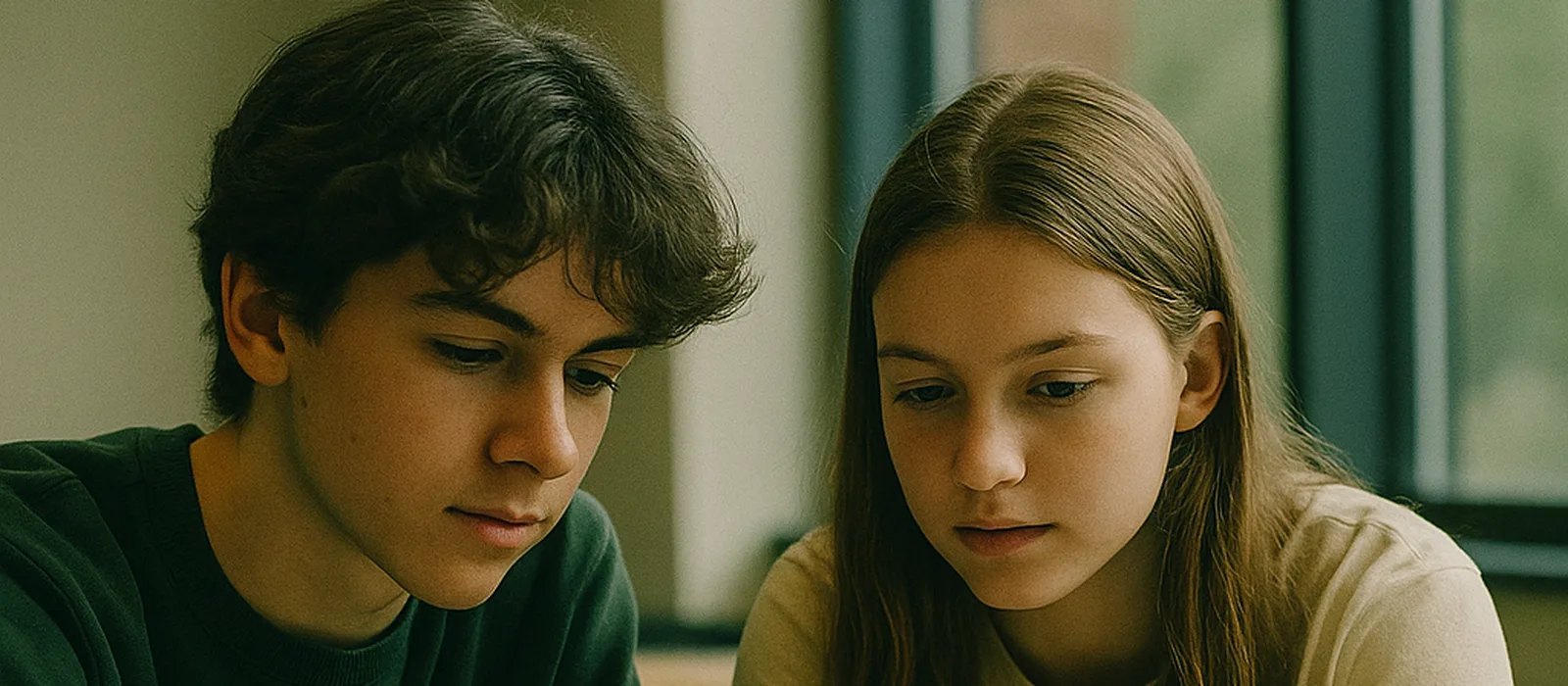
Four hours, one team, one real problem. AI does the heavy lifting on code and research. Your kid makes every call.
Pick a real problem
Teams start with someone specific and something that bugs them. A tool, a story, or a game all count if a real person benefits.
Build with AI as a thinking partner
Short teaching bursts, then long stretches of making. Kids decide what to build, what to keep, and what to cut. AI helps them get there faster.
Show what they made
Every team gets a 60-second intro and a gallery walk. No rankings, no trophies for the shiniest demo. Something real to point at.
Cognitive equity, not cognitive debt
Most kids meet AI as a shortcut: ask it, copy the answer, skip the thinking. We’re building the opposite: access to a serious thinking partner so more kids can invent, not just finish homework faster.
A real problem, a real person
Teams start with someone specific and a concrete pain. Then they build the smallest useful thing that helps. A tool, a story, or a game are all fair game if a real person benefits.
Build in sprints
Short teaching bursts, then long stretches of making. Every team has time to turn an idea into something they can show. If stuck, shrink the scope. Every team shows something.
A story they can tell
Problem, who it helps, demo, where AI helped, what they decided, what’s next. Building something real is what builds confidence.
Run of show
Two standalone four-hour sessions happen on Saturday, November 21. Choose the morning session from 8 a.m. to noon or the afternoon session from 1 to 5 p.m. Each gives kids a complete chance to meet, make, and share.
Meet, choose, and make
Meet the room, form teams around real problems, and build a first version with focused support.
Share what you made
Teams explain the problem, their choices, and what comes next. No scoreboard.
An afternoon session, a complete build
Choose the session that works for your family. The afternoon stands on its own, with the same chance to solve, make, and explain.
Share what you made
Teams explain the problem, their choices, and what comes next. Friends and family are invited to be curious, not to rank the work.
Confirmed vs. soon
Locked in
- Date: Saturday, November 21, 2026.
- Sessions: 8 a.m. to noon and 1 to 5 p.m.; two standalone four-hour sessions on the same day.
- Location: Sorensen Center room 206, Utah Valley University.
- Ages: 13 to 18.
- Scale: planning for 40 to 100 kids.
- Laptop: bring your own (loaners as we can secure them).
Coming soon
- Free registration and final capacity.
- Full registration with consent language.
- Confirmed AI tool list for the room.
Headline sponsor
OpenAIAdditional partners help cover the venue, tools, devices and event costs. Want in? Sponsor the buildathon.
Straight answers
Does my kid need to know how to code?
No. We group by real problems and interests, not skill labels. AI is a collaborator. The work is judgment, problem framing, and shipping something useful.
What ages can come?
Ages 13 to 18. Teams form around the problems kids care about, so a 13-year-old and a 17-year-old can end up at the same table.
What does it cost?
Nothing. Both four-hour sessions are free. OpenAI is the headline sponsor, and additional partners help cover the venue, tools, devices and event costs.
What do parents do during the session?
Drop your kid off and come back for the showcase, or stay for the parent track. Either way, the kids do the building.
Is there a winner?
No. The showcase is a celebration of learning, not a competition. Every team gets a 60-second intro and a gallery walk.
Do we need to bring anything?
A laptop. We are securing a small loaner pool for kids without one. Everything else is provided.
What happens after I join the waitlist?
You get event details, parent boundary guidance, and first access to registration when it opens. You choose the morning or afternoon session at registration.
Ready when your kid is
Both sessions are free. Registration opens once final capacity and consent details are set. Join the waitlist now so we can reach you first.
Parent waitlist →